

دراسة المواد النادرة لتغليف الزيوت
تحقيق خواص المعادن النادرة المستخدمة في تغليف النفط الاستدامة وطول العمر: تأثير المواد النادرة في غلاف النفط في الختام، فإن دمج المواد النادرة في أغلفة النفط يمثل تطوراً استراتيجياً نحو…
تحقيق خواص المعادن النادرة المستخدمة في تغليف النفط
الاستدامة وطول العمر: تأثير المواد النادرة في غلاف النفط
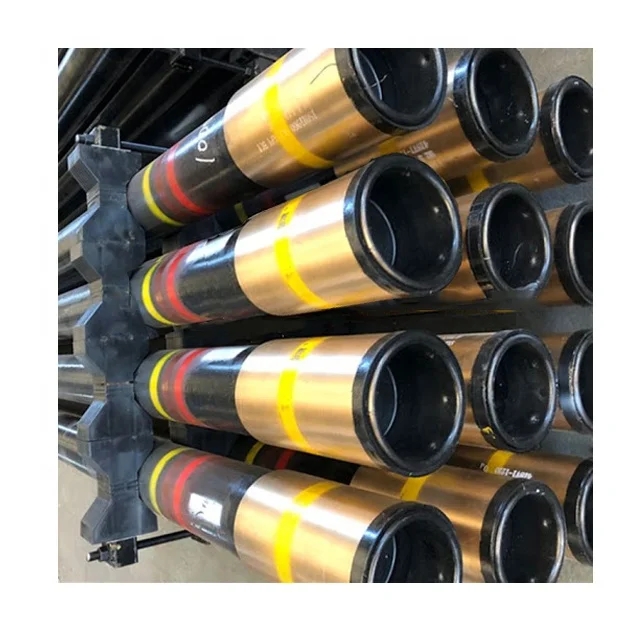
في الختام، فإن دمج المواد النادرة في أغلفة النفط يمثل تطوراً استراتيجياً نحو الاستدامة وطول العمر في قطاع الطاقة. ومن خلال تسخير الخصائص الفريدة لهذه السبائك، يمكن للمشغلين تخفيف المخاطر التشغيلية، وتعزيز الإشراف البيئي، وتعزيز مرونة البنية التحتية. على الرغم من استمرار التحديات، تؤكد التطورات المستمرة على الإمكانات التحويلية للمواد النادرة في تشكيل مستقبل استخراج النفط وإنتاجه.
مع استمرار الصناعة في التعامل مع المتطلبات المتطورة والمشهد التنظيمي، فإن الاعتماد الاستراتيجي للمواد النادرة يستعد لإعادة تحديد معايير الأداء والمسؤولية في تطبيقات أغلفة النفط.
Studying Rare Materials for oil casing
In the realm of oil extraction and production, the choice of materials for oil casing plays a crucial role in ensuring sustainability and longevity of operations. Traditionally, steel has been the primary Material of choice due to its robustness and reliability in harsh environments. However, as the industry progresses towards more challenging extraction sites and faces increasing environmental scrutiny, the exploration of alternative materials, particularly rare and exotic alloys, has gained traction.
Rare materials offer unique properties that can significantly enhance the performance and durability of oil casings. These materials, often composed of elements such as nickel, titanium, and chromium, possess superior Corrosion resistance and mechanical strength compared to conventional steel. This advantage becomes particularly pertinent in offshore drilling where exposure to corrosive seawater and extreme pressures demands materials capable of withstanding such harsh conditions over extended periods.
The quest for sustainable practices in oil extraction extends beyond operational efficiency to encompass environmental impact mitigation. By utilizing rare materials with enhanced longevity, operators can potentially reduce the frequency of casing replacements, thereby lowering overall resource consumption and waste generation. This approach aligns with global efforts towards reducing carbon footprints and promoting responsible resource management in the energy sector.
Moreover, the durability of rare materials translates into enhanced safety standards. Casings made from these alloys are less prone to degradation, minimizing the risk of structural failure that could lead to environmental contamination or operational disruptions. This reliability not only safeguards the integrity of drilling operations but also fosters a more resilient infrastructure capable of meeting stringent regulatory requirements.
While the benefits of rare materials are compelling, their adoption poses challenges related to cost and technological adaptation. The production processes for these alloys are often complex and specialized, resulting in higher initial investments. However, advancements in material science and manufacturing techniques continue to drive efficiencies, making these materials increasingly viable for widespread application in the Oil and Gas industry.
oil Pipe replacementFurthermore, the exploration and extraction of rare materials themselves raise considerations regarding environmental impact and resource sustainability. Responsible sourcing practices are essential to mitigate adverse effects on local ecosystems and communities while ensuring the long-term availability of these critical resources. Collaborative efforts between industry stakeholders and regulatory bodies are crucial in establishing frameworks that balance economic imperatives with environmental stewardship.
Looking ahead, research and development efforts remain pivotal in unlocking the full potential of rare materials for oil casing applications. Innovations in alloy composition, coating technologies, and recycling methods hold promise for further enhancing performance metrics such as resistance to hydrogen sulfide cracking and fatigue strength. These advancements not only bolster operational efficiencies but also reinforce the industry’s commitment to sustainable practices and long-term viability.
In conclusion, the integration of rare materials in oil casing represents a strategic evolution towards sustainability and longevity in the energy sector. By harnessing the unique properties of these alloys, operators can mitigate operational risks, enhance environmental stewardship, and strengthen the resilience of infrastructure. While challenges persist, ongoing advancements underscore the transformative potential of rare materials in shaping the future of oil extraction and production.
As the industry continues to navigate evolving demands and regulatory landscapes, the strategic adoption of rare materials stands poised to redefine standards of performance and responsibility in oil casing applications.