


معرفة أغلفة آبار النفط وأنابيبها
أهمية غلاف وأنابيب آبار النفط: أفضل شركة لأنابيب الصلب في الصين تتمثل إحدى الوظائف الأساسية لتغليف آبار النفط في حماية حفرة البئر من القوى الخارجية ومنع أي تسرب أو تلوث…
أهمية غلاف وأنابيب آبار النفط:
أفضل شركة لأنابيب الصلب في الصين
تتمثل إحدى الوظائف الأساسية لتغليف آبار النفط في حماية حفرة البئر من القوى الخارجية ومنع أي تسرب أو تلوث محتمل. من خلال تغليف حفرة البئر بغلاف فولاذي، يمكن للمشغلين التأكد من بقاء البئر سليمًا من الناحية الهيكلية وأن البيئة المحيطة محمية من أي مواد ضارة قد تكون موجودة في الخزان.
علاوة على ذلك، يلعب الغلاف والأنابيب أيضًا دورًا حاسمًا في البئر الانتهاء والإنتاج. يعتبر الغلاف ضروريًا للحفاظ على استقرار البئر ومنع سوائل التكوين من الدخول إلى حفرة البئر. كما يوفر أيضًا قناة لتركيب الأسمنت لتثبيت الغلاف في مكانه وإنشاء حاجز بين حفرة البئر والتكوينات الصخرية المحيطة. من ناحية أخرى، تسمح الأنابيب باستخراج النفط أو الغاز من المكمن إلى السطح، مما يتيح إنتاج الهيدروكربونات من البئر.
بالإضافة إلى وظائفها الهيكلية والتشغيلية، تساهم أغلفة وأنابيب آبار النفط أيضًا في سلامة الآبار وحماية البيئة. يساعد تركيب الغلاف والأنابيب بشكل صحيح على منع الانفجارات وانهيار الآبار وغيرها من الأحداث الكارثية التي يمكن أن يكون لها عواقب وخيمة على كل من الموظفين والبيئة. من خلال الحفاظ على سلامة البئر وضمان التحكم المناسب في البئر، يساعد الغلاف والأنابيب على تخفيف المخاطر وتعزيز الأداء العام للبئر.
علاوة على ذلك، يعد اختيار مواد الغلاف والأنابيب المناسبة أمرًا بالغ الأهمية لنجاح عمليات آبار النفط. يجب أن تؤخذ في الاعتبار عوامل مثل العمق والضغط ودرجة الحرارة والبيئات المسببة للتآكل عند اختيار مواد التغليف والأنابيب المناسبة لضمان متانتها وموثوقيتها طوال عمر البئر.
في الختام، يعد غلاف وأنابيب آبار النفط مكونات لا غنى عنها في بناء وإنتاج آبار النفط. وتكمن أهميتها في توفير الدعم الهيكلي، والحفاظ على سلامة الآبار، وتسهيل عمليات الإنتاج، وضمان السلامة، وحماية البيئة. من خلال فهم الدور الحاسم الذي يلعبه الغلاف والأنابيب في عمليات آبار النفط، يمكن للمشغلين تحسين أداء الآبار، وتعزيز تدابير السلامة، وزيادة كفاءة عمليات إنتاج النفط والغاز.
casing and Tubing are both integral parts of the well construction process, providing structural support and maintaining well integrity. Casing is a large-Diameter Pipe that is installed in the drilled hole to prevent the wellbore from collapsing and to isolate different geological formations. It also helps in controlling well pressures and fluids during drilling and production. Tubing, on the other hand, is a smaller-diameter pipe that is inserted inside the casing to transport oil or gas from the reservoir to the surface.
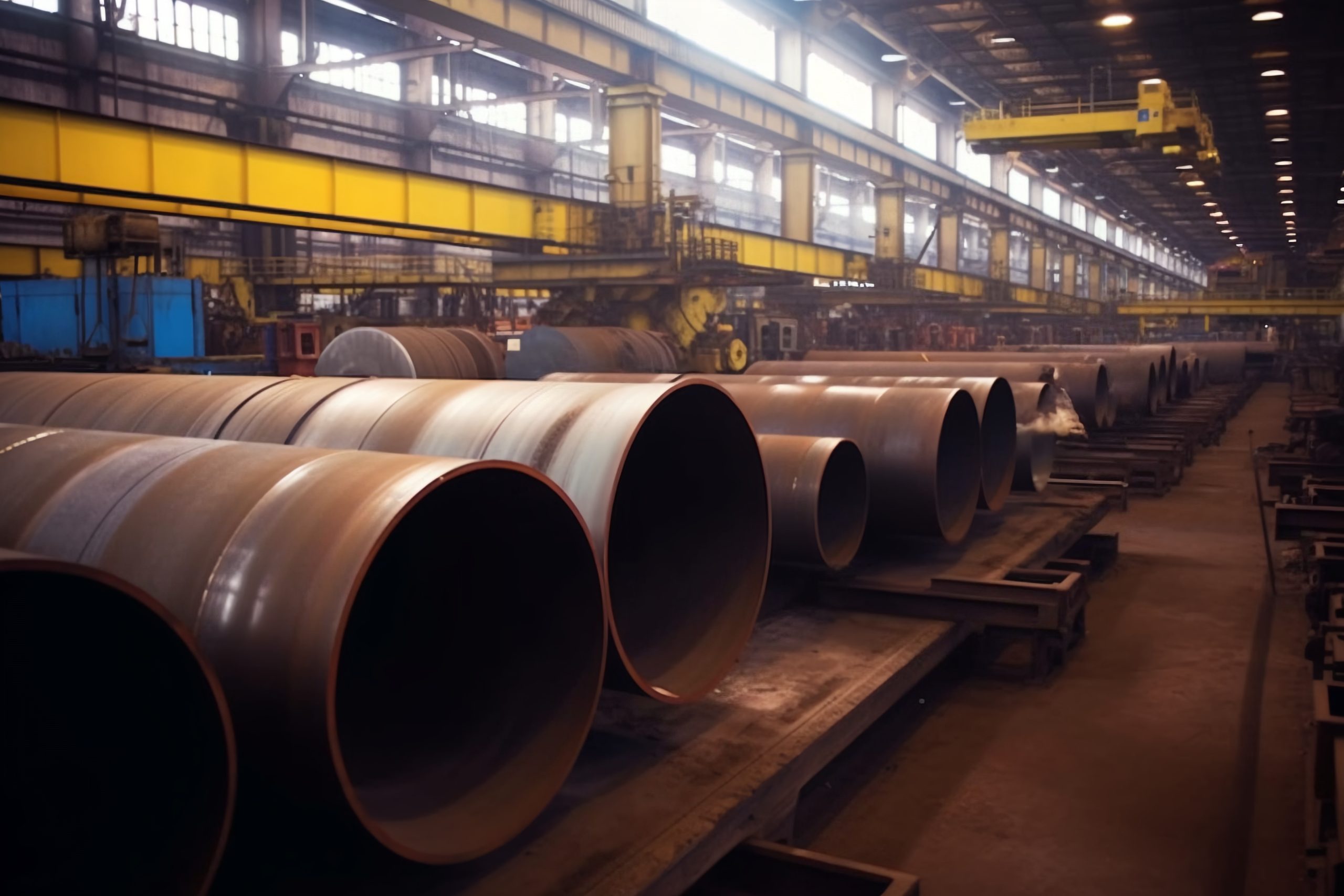
One of the primary functions of oil well casing is to protect the wellbore from external forces and prevent any potential leaks or contamination. By encasing the wellbore with Steel casing, operators can ensure that the well remains structurally sound and that the surrounding environment is safeguarded from any harmful substances that may be present in the reservoir.
Moreover, casing and tubing also play a critical role in well completion and production. Casing is essential for maintaining well stability and preventing formation fluids from entering the wellbore. It also provides a conduit for the installation of cement to secure the casing in place and create a barrier between the wellbore and the surrounding rock formations. Tubing, on the other hand, allows for the extraction of oil or gas from the reservoir to the surface, enabling the production of hydrocarbons from the well.
In addition to their structural and operational functions, oil well casing and tubing also contribute to well safety and environmental protection. Proper casing and tubing installation help prevent blowouts, well collapses, and other catastrophic events that can have severe consequences for both personnel and the environment. By maintaining well integrity and ensuring proper well control, casing and tubing help mitigate risks and enhance overall well performance.
Furthermore, the selection of the right casing and tubing materials is crucial for the success of oil well operations. Factors such as depth, pressure, temperature, and corrosive environments must be taken into consideration when choosing the appropriate casing and tubing materials to ensure their durability and reliability over the well’s lifespan.
In conclusion, oil well casing and tubing are indispensable components of oil well construction and production. Their importance lies in providing structural support, maintaining well integrity, facilitating production operations, ensuring safety, and protecting the environment. By understanding the critical role that casing and tubing play in oil well operations, operators can optimize well performance, enhance safety measures, and maximize the efficiency of Oil and Gas production processes.