

ما هي مجالات التطبيق المعروفة لتغليف الزيت؟
مجالات التطبيق المعروفة لغلاف الزيت صيانة أنابيب النفط هناك مجال تطبيق مهم آخر لتغليف النفط وهو التدخل في الآبار وعمليات صيانة الآبار. في الحالات التي يحتاج فيها البئر إلى الصيانة…
مجالات التطبيق المعروفة لغلاف الزيت
صيانة أنابيب النفط
هناك مجال تطبيق مهم آخر لتغليف النفط وهو التدخل في الآبار وعمليات صيانة الآبار. في الحالات التي يحتاج فيها البئر إلى الصيانة أو الإصلاح أو التحفيز، يوفر الغلاف النفطي إمكانية الوصول إلى حفرة البئر ويسهل نشر الأدوات والمعدات. من خلال العمل كقناة لعمليات التدخل، يمكّن غلاف النفط المشغلين من تحسين أداء البئر، وإطالة عمر البئر، وزيادة كفاءة الإنتاج إلى أقصى حد.
علاوة على ذلك، يلعب غلاف النفط دورًا حاسمًا في أنشطة التخلي عن الآبار وإيقاف التشغيل. عندما يصل البئر إلى نهاية عمره الإنتاجي، تكون إجراءات التخلي الصحيحة ضرورية لتقليل التأثير البيئي وضمان السلامة. يساعد غلاف الزيت على إغلاق حفرة البئر، وعزل الخزان، ومنع هجرة السوائل إلى السطح أو التكوينات المحيطة. من خلال تغطية البئر بشكل آمن بغلاف النفط، يمكن للمشغلين إيقاف تشغيل البئر بأمان والتخفيف من المخاطر المحتملة.
بشكل عام، يعد غلاف النفط مكونًا متعدد الاستخدامات ولا غنى عنه في صناعة النفط والغاز، مع تطبيقات متنوعة عبر مراحل مختلفة من بناء الآبار وإنتاجها. والتدخل والتخلي. إن قدرتها على توفير الدعم الهيكلي والتحكم في السوائل والعزل والوصول إليها تجعلها عنصرًا أساسيًا في ضمان كفاءة عمليات النفط والغاز وسلامتها واستدامتها. سواء في الحفر أو الإنجاز أو التدخل أو إيقاف التشغيل، يستمر غلاف النفط في لعب دور حاسم في نجاح مشاريع النفط والغاز في جميع أنحاء العالم.
One of the well-known application areas of oil casing is in the drilling process. During drilling operations, oil casing is used to line the wellbore and prevent it from collapsing. By providing structural support, oil casing helps maintain the integrity of the well and ensures the safety of the drilling operation. Additionally, oil casing helps control the flow of Oil and Gas from the reservoir to the surface, facilitating efficient extraction and production processes.
In addition to drilling, oil casing is also widely used in well completion and production operations. Once the well has been drilled, oil casing is essential for isolating different geological formations and preventing the mixing of fluids from various zones. This isolation is crucial for optimizing production and maximizing the recovery of oil and gas reserves. Oil casing also helps protect the well from external contaminants and ensures the efficient flow of hydrocarbons to the surface.
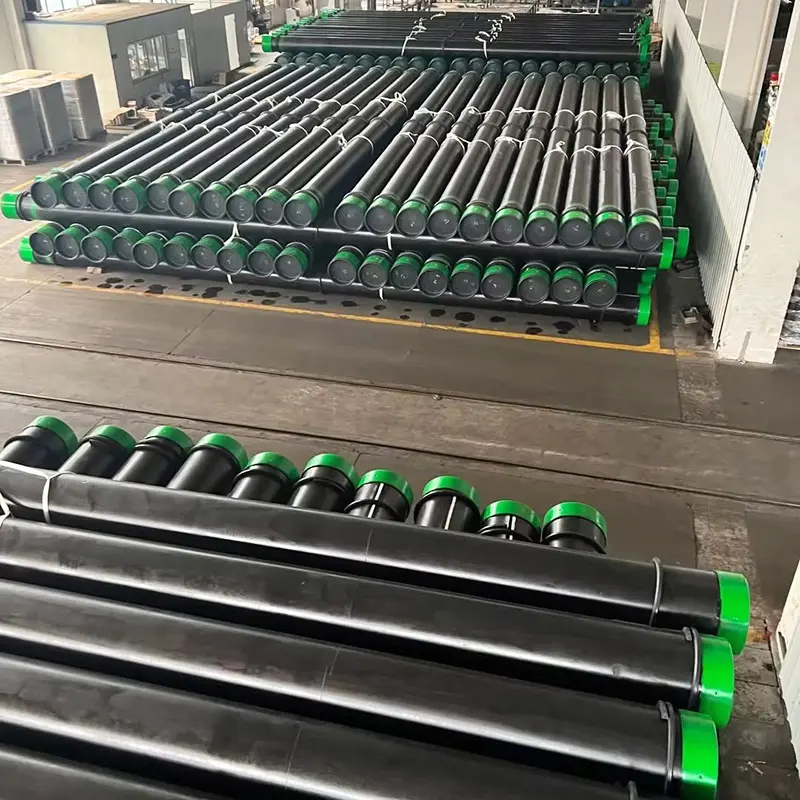
Another important application area of oil casing is in well intervention and workover operations. In cases where the well needs Maintenance, Repair, or stimulation, oil casing provides access to the wellbore and facilitates the deployment of tools and equipment. By serving as a conduit for intervention operations, oil casing enables operators to enhance well performance, extend the life of the well, and maximize production efficiency.
Moreover, oil casing plays a crucial role in well abandonment and decommissioning activities. When a well reaches the end of its productive life, proper abandonment procedures are essential to minimize environmental impact and ensure safety. Oil casing helps Seal off the wellbore, isolate the reservoir, and prevent the migration of fluids to the surface or surrounding formations. By securely capping the well with oil casing, operators can safely decommission the well and mitigate potential risks.
Overall, oil casing is a versatile and indispensable component in the oil and gas industry, with diverse applications across various stages of well construction, production, intervention, and abandonment. Its ability to provide structural support, fluid control, isolation, and access makes it a fundamental element in ensuring the efficiency, safety, and sustainability of oil and gas operations. Whether in drilling, completion, intervention, or decommissioning, oil casing continues to play a crucial role in the success of oil and gas projects worldwide.