

ما هي العوامل القابلة للقياس التي تؤثر على اتجاهات أسعار سوق أغلفة النفط؟
ديناميكيات العرض والطلب تلعب معنويات السوق وثقة المستثمرين أيضًا دورًا مهمًا في سوق غلاف النفط. يمكن أن تؤدي التقلبات في أسعار النفط إلى تغييرات في استراتيجيات الاستثمار، مما يؤثر على…
ديناميكيات العرض والطلب
تلعب معنويات السوق وثقة المستثمرين أيضًا دورًا مهمًا في سوق غلاف النفط. يمكن أن تؤدي التقلبات في أسعار النفط إلى تغييرات في استراتيجيات الاستثمار، مما يؤثر على الطلب الإجمالي على مواد التغليف. على سبيل المثال، عندما تكون أسعار النفط مرتفعة، قد تكون الشركات أكثر ميلا للاستثمار في مشاريع الحفر الجديدة، وبالتالي زيادة الطلب على غلاف النفط. على العكس من ذلك، خلال فترات انخفاض أسعار النفط، قد تقوم الشركات بتقليص أنشطة الاستكشاف والإنتاج، مما يؤدي إلى انخفاض الطلب.
أخيرًا، يمكن أن يكون للتغيرات التنظيمية والسياسات البيئية تأثير عميق على سوق أغلفة النفط. قد تؤدي اللوائح الأكثر صرامة إلى زيادة تكاليف الإنتاج، مما يؤدي إلى انخفاض أنشطة الحفر، وبالتالي انخفاض الطلب على الغلاف. ومن ناحية أخرى، فإن السياسات المواتية التي تشجع الاستكشاف والإنتاج يمكن أن تحفز الطلب، مما يدفع الأسعار إلى الارتفاع. في الختام، يتأثر سوق أغلفة النفط بتفاعل معقد بين ديناميكيات العرض والطلب، والتي تتشكل من خلال مستويات الإنتاج، وعدد منصات الحفر، والعوامل الجغرافية، والتقدم التكنولوجي، ومعنويات السوق، والتغيرات التنظيمية. يعد فهم هذه العوامل القابلة للقياس أمرًا ضروريًا لأصحاب المصلحة الذين يتطلعون إلى التنقل في المشهد المتطور باستمرار لسوق أغلفة النفط.
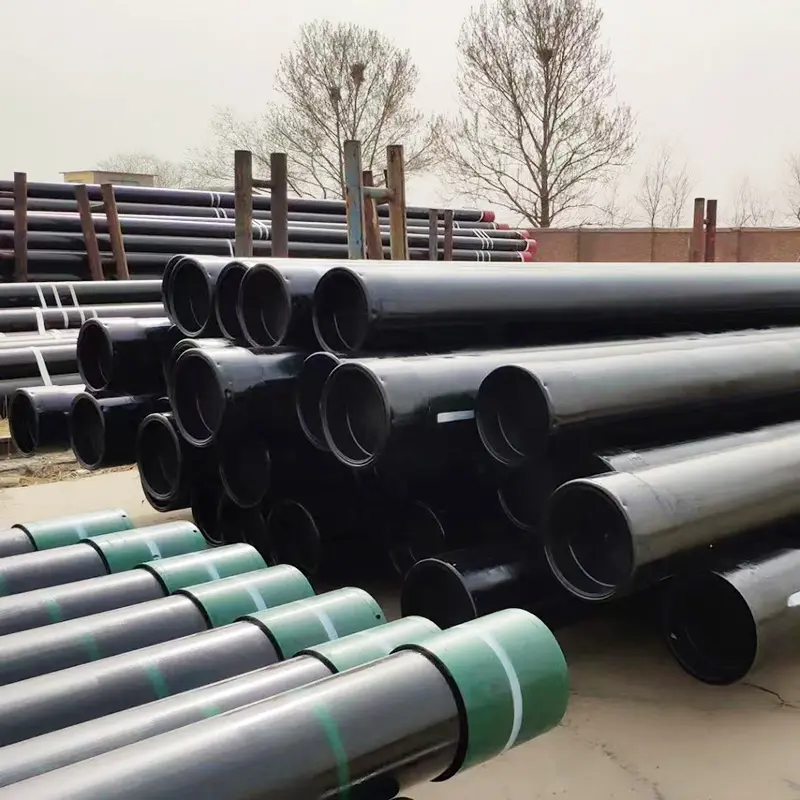
Market sentiment and investor confidence also play a significant role in the oil casing market. Fluctuations in oil prices can lead to changes in investment strategies, affecting the overall demand for casing materials. For instance, when oil prices are high, Companies may be more inclined to invest in new drilling projects, thereby increasing the demand for oil casing. Conversely, during periods of low oil prices, companies may cut back on exploration and production activities, leading to a decline in demand.
Lastly, regulatory changes and environmental policies can have a profound impact on the oil casing market. Stricter regulations may increase production costs, leading to reduced drilling activities and, consequently, lower demand for casing. On the other hand, favorable policies that encourage exploration and production can stimulate demand, driving prices upward. In conclusion, the oil casing market is influenced by a complex interplay of supply and demand dynamics, shaped by production levels, rig counts, geographical factors, technological advancements, market sentiment, and regulatory changes. Understanding these quantifiable factors is essential for stakeholders looking to navigate the ever-evolving landscape of the oil casing market.