

Unveil the multiple utilities in oil casing modernization
Enhanced Corrosion resistance in oil casing Modernization In the realm of oil extraction, where operational efficiency and environmental considerations reign supreme, the evolution of oil casing technology stands out as…
Enhanced Corrosion resistance in oil casing Modernization
In the realm of oil extraction, where operational efficiency and environmental considerations reign supreme, the evolution of oil casing technology stands out as a pivotal advancement. Among its various enhancements, the focus on enhancing corrosion resistance represents a significant stride forward in ensuring the longevity and reliability of oil well infrastructure.
Corrosion, an ever-present challenge in the harsh environments where oil wells operate, can compromise the structural integrity of casing, leading to leaks, failures, and costly repairs. Traditional casings, predominantly made of Carbon steel, have long been susceptible to corrosion from factors such as saline water, acidic conditions, and microbial activity. These vulnerabilities not only jeopardize operational continuity but also pose environmental risks through potential leaks.
Modern Oil casing materials and coatings have emerged as robust solutions to combat corrosion effectively. One prominent approach involves the use of corrosion-resistant alloys (CRAs) such as stainless steels and nickel alloys. These materials exhibit superior resistance to corrosive agents compared to carbon steel, thereby extending the service life of casings and reducing Maintenance intervals. The adoption of CRAs has become increasingly prevalent, especially in offshore and high-pressure/high-temperature (HPHT) environments where corrosion rates tend to escalate.
Furthermore, advancements in metallurgical processes have enabled the development of tailored alloys optimized for specific well conditions. For instance, duplex stainless steels offer a balance of strength and corrosion resistance, making them suitable for environments with varying levels of acidity and temperature extremes. Similarly, nickel alloys like Inconel provide exceptional resistance to both oxidizing and reducing acids, enhancing reliability in corrosive oilfield environments.
In addition to selecting corrosion-resistant materials, protective coatings play a crucial role in fortifying oil casings against corrosive elements. These coatings act as barriers that shield the casing surface from direct contact with corrosive agents present in oilfield fluids. Common coatings include epoxy, phenolic, and zinc-based formulations, each offering distinct advantages depending on the operational context and environmental conditions.
The integration of advanced coatings not only enhances the corrosion resistance of casings but also contributes to smoother operational workflows by mitigating the need for frequent inspections and maintenance. This proactive approach not only reduces downtime but also minimizes environmental footprint by preventing potential leaks or spills.
Moreover, innovations in casing design have complemented Material and coating advancements to further bolster corrosion resistance. Engineered features such as corrosion inhibitors injected into well fluids and cathodic protection systems have proven effective in extending the service life of casings. These proactive measures underscore a holistic approach to corrosion management, emphasizing prevention alongside material selection and protective coatings.
As the Oil and Gas industry continues to navigate evolving regulatory landscapes and societal expectations, the imperative to adopt sustainable practices grows more pronounced. By investing in corrosion-resistant technologies, operators not only enhance operational efficiency and asset integrity but also contribute to environmental stewardship. The durability and reliability afforded by modern oil casing solutions translate into long-term economic benefits and a reduced environmental footprint, aligning with global efforts towards energy efficiency and conservation.
In conclusion, the pursuit of enhanced corrosion resistance in oil casing modernization epitomizes a proactive strategy aimed at safeguarding infrastructure integrity and optimizing operational performance. Through the strategic deployment of corrosion-resistant alloys, advanced coatings, and innovative design principles, the industry stands poised to meet current challenges while laying a resilient foundation for future advancements in oil extraction technologies. This commitment not only ensures sustainable resource development but also underscores a commitment to operational excellence and environmental responsibility in the dynamic landscape of global energy production.
Innovations in Material Strength for Oil Casing Upgrade
In the dynamic realm of oil exploration and extraction, the evolution of oil casing technology plays a pivotal role in ensuring operational efficiency, safety, and environmental sustainability. Innovations in material strength for oil casing upgrades represent a significant stride forward in addressing the demanding conditions of modern drilling environments.
Traditionally, oil casing, a critical component of well construction, has been predominantly made from steel due to its robustness and reliability under high-pressure and corrosive conditions deep underground. However, the relentless pursuit of efficiency and durability has driven the exploration of advanced materials and engineering techniques to enhance the performance and longevity of oil casings.
One of the forefront innovations lies in the development of high-strength steel alloys specifically designed to withstand extreme pressures and temperatures encountered during oil drilling operations. These alloys not only offer superior mechanical properties but also exhibit enhanced resistance to corrosion, a common challenge in oil extraction environments. By incorporating these advanced materials, operators can achieve greater depths and maintain casing integrity over extended operational periods, thereby optimizing well productivity and reducing maintenance costs.
Furthermore, composite materials have emerged as a promising alternative to traditional steel casings. Composites, typically reinforced with fibers such as carbon or glass, boast exceptional strength-to-Weight ratios and corrosion resistance. This characteristic makes them particularly suitable for offshore drilling where weight reduction can mitigate structural loads on platforms and enhance installation efficiency. Moreover, composite casings exhibit minimal thermal conductivity, reducing the risk of heat loss during production and ensuring energy efficiency\\u2014a critical consideration in today’s energy landscape.
In parallel with material advancements, innovations in manufacturing processes have played a crucial role in refining oil casing technology. Precision engineering techniques, including computer numerical control (CNC) machining and additive manufacturing (3D printing), enable the production of casings with intricate geometries and tailored properties. This customization not only meets specific operational requirements but also promotes resource efficiency by minimizing material waste\\u2014a testament to the industry’s commitment to sustainable practices.
Beyond enhancing mechanical and thermal properties, modern oil casing designs prioritize environmental stewardship. Innovations such as recyclable materials and bio-based resins contribute to reducing the industry’s environmental footprint by promoting circular economy principles and minimizing reliance on finite resources.
Moreover, the integration of smart technologies into oil casing systems represents a transformative leap towards real-time monitoring and predictive maintenance. Embedded sensors and data analytics enable operators to monitor casing integrity, detect anomalies, and preemptively address potential failures, thereby enhancing operational safety and minimizing downtime.
As the quest for energy continues to push the boundaries of exploration and production, the role of advanced oil casing materials and technologies becomes increasingly pivotal. The ongoing pursuit of innovation not only enhances operational efficiencies and safety standards but also underscores the industry’s resilience in adapting to evolving challenges.
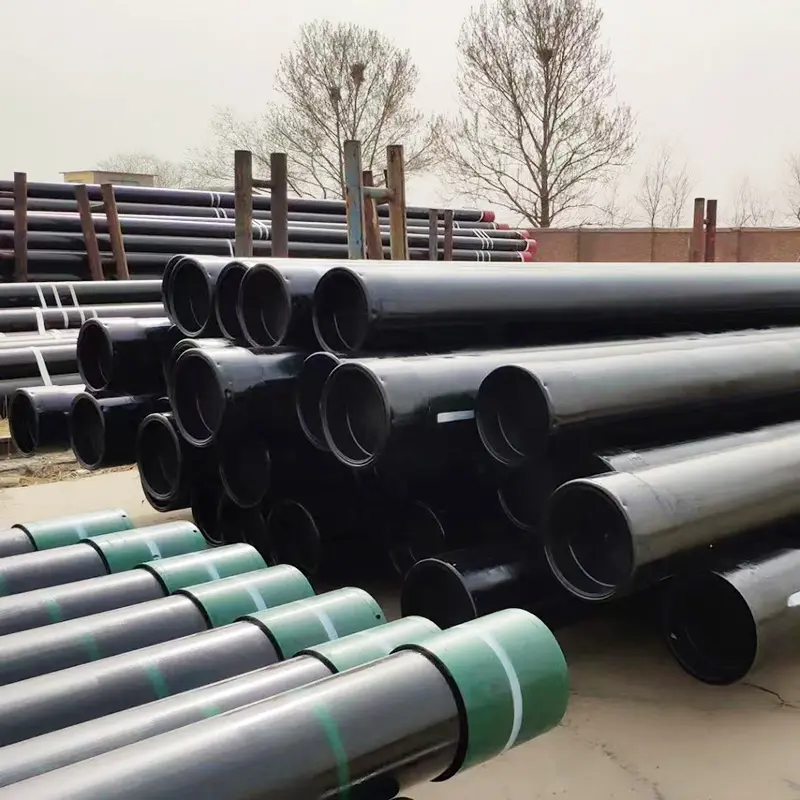
In conclusion, the evolution of oil casing materials and technologies represents a cornerstone in the quest for sustainable energy solutions. By harnessing the power of advanced materials, precision engineering, and smart technologies, the oil and gas industry is poised to meet the demands of tomorrow’s energy landscape while advancing environmental stewardship and operational excellence.
Cost Efficiency Benefits of oil casing Modernization
Unveil the Multiple Utilities in Oil Casing Modernization
Oil casing modernization stands as a pivotal strategy in the oil and gas industry, offering a multitude of benefits that extend beyond conventional practices. One of the primary advantages lies in its significant cost efficiency enhancements, which are crucial in today’s competitive market landscape.
In essence, oil casing modernization involves upgrading existing casing infrastructure with advanced materials and technologies. This process not only prolongs the Life cycle of wells but also optimizes production efficiency and reduces operational costs. By integrating state-of-the-art materials such as corrosion-resistant alloys and high-performance composites, operators can mitigate the risks associated with casing failures and subsequent costly interventions.
The financial benefits of modernization are manifold. Firstly, the upfront investment in upgraded materials pays off through extended operational lifespan and reduced maintenance needs. This proactive approach minimizes downtime, thereby maximizing production output over the long term. Moreover, modernized casings enhance well integrity, mitigating the risk of environmental incidents and regulatory fines, which can be substantial.
Furthermore, the advancements in casing design and technology enable operators to adapt more swiftly to evolving operational challenges. For instance, flexible casing systems facilitate easier installation and removal, streamlining rig operations and reducing overall drilling time. This flexibility not only enhances operational efficiency but also contributes to a safer working environment, which is paramount in the oil and gas sector.
oil Pipe distributors
Another critical aspect of cost efficiency in oil casing modernization is the optimization of reservoir management. Advanced casing technologies allow for better reservoir monitoring and control, leading to improved reservoir performance and recovery rates. By integrating sensors and smart technologies into the casing design, operators gain real-time insights into well conditions and reservoir behavior, enabling proactive decision-making and optimizing production strategies.
Moreover, the environmental benefits of modernization cannot be overstated. Reduced material usage, enhanced recycling capabilities of modern materials, and minimized environmental impact during casing installation and removal contribute to sustainable practices within the industry. This aligns with global efforts towards reducing carbon footprints and adhering to stringent environmental regulations.
In conclusion, oil casing modernization represents a paradigm shift in the industry’s approach to efficiency and sustainability. By embracing advanced materials, technologies, and design principles, operators can achieve significant cost savings, enhance operational flexibility, and improve environmental stewardship. The benefits extend beyond financial gains to encompass operational resilience, regulatory compliance, and long-term sustainability goals.
As the industry continues to evolve, the adoption of oil casing modernization will likely become increasingly prevalent. Its transformative impact on cost efficiency, operational performance, and environmental sustainability underscores its importance as a cornerstone of modern oil and gas operations. By investing in the future of casing technology today, Companies can position themselves at the forefront of innovation while securing a more sustainable tomorrow for the entire industry.