

What distinguishes the thermal conductivity of API and ASTM pipes?
Differences in Material Composition Thermal conductivity plays a crucial role in the performance and efficiency of pipes used in various industrial and commercial applications. Understanding the distinctions in thermal conductivity…
Differences in Material Composition
Thermal conductivity plays a crucial role in the performance and efficiency of pipes used in various industrial and commercial applications. Understanding the distinctions in thermal conductivity between API (American Petroleum Institute) and ASTM (American Society for Testing and Materials) pipes is essential for selecting the right materials for specific operational needs.
API pipes are primarily designed for use in the oil and Gas industry, where they must withstand harsh environmental conditions and transport substances at varying temperatures and pressures. These pipes are often made from materials such as Carbon steel, alloy steel, or even Stainless steel, depending on the specific requirements of the application. The thermal conductivity of API pipes is influenced significantly by their metal composition and structure.
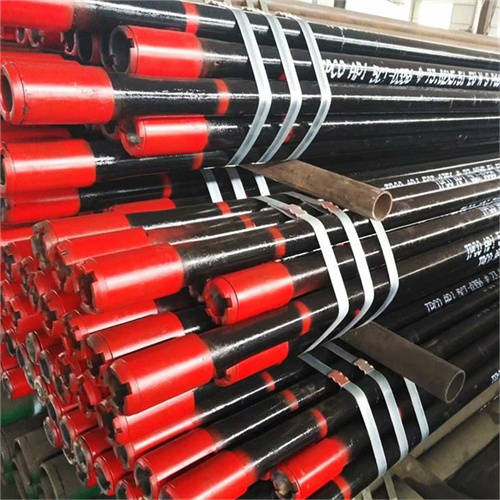 \\t\\tCarbon steel, a common material used in API pipes, typically exhibits moderate thermal conductivity. This property allows for efficient heat transfer within the Pipe, crucial for applications where maintaining a consistent temperature is vital, such as in refinery processes or petrochemical plants. Alloy steels, on the other hand, can have higher thermal conductivity compared to carbon steel due to their composition, which includes elements like chromium, nickel, and molybdenum. These alloys enhance not only the mechanical strength but also the thermal performance of the pipes, making them suitable for applications requiring superior heat transfer capabilities.
In contrast, ASTM pipes encompass a broader range of materials and applications beyond oil and gas. The ASTM standards cover a wide variety of industries, including construction, manufacturing, and infrastructure. Therefore, ASTM pipes are manufactured from diverse materials such as plastics, ceramics, and metals, each with unique thermal conductivity characteristics.
astm a106b
Plastic pipes, for instance, often have lower thermal conductivity compared to metal pipes. This property can be advantageous in certain applications, such as in residential plumbing or chemical processing, where minimizing heat loss or gain is critical. Ceramics, known for their excellent resistance to high temperatures and corrosion, exhibit moderate to high thermal conductivity depending on their composition and structure. Metals used in ASTM pipes can vary widely in thermal conductivity based on their alloy composition and processing methods.
The thermal conductivity of both API and ASTM pipes is also influenced by factors such as pipe geometry, surface finish, and insulation. The design and construction of the pipes play a significant role in determining how effectively heat can be transferred through the pipe walls. For instance, pipes with smoother surfaces generally exhibit lower thermal resistance, enhancing heat transfer efficiency.
Furthermore, the presence of insulation materials can significantly alter the thermal conductivity of pipes. Insulation is commonly applied to pipes to minimize heat loss or gain, especially in applications where maintaining a stable temperature is critical. The type and thickness of insulation used can vary depending on factors such as operating temperature, environmental conditions, and energy efficiency requirements.
In conclusion, while both API and ASTM pipes serve diverse industrial needs, their thermal conductivity characteristics vary based on material composition, manufacturing standards, and intended applications. API pipes, tailored for the demanding conditions of the oil and gas industry, often feature metals like carbon steel or alloys with enhanced thermal conductivity. ASTM pipes, catering to a broader spectrum of industries, encompass materials ranging from plastics to ceramics, each offering distinct thermal properties. Understanding these differences is crucial for selecting the most suitable pipes to ensure optimal performance and efficiency in various operational environments.