

What sort of pipe is set up for well casing?
Types of Pipes Used for well casing Well casing is a crucial component in the construction and Maintenance of wells, providing structural support and preventing contamination of groundwater. The type…
Types of Pipes Used for well casing
Well casing is a crucial component in the construction and Maintenance of wells, providing structural support and preventing contamination of groundwater. The type of Pipe used for well casing plays a significant role in the overall performance and longevity of the well. Various types of pipes are employed for well casing, each with its unique characteristics and suitability for different applications.
oil pipe installation safety
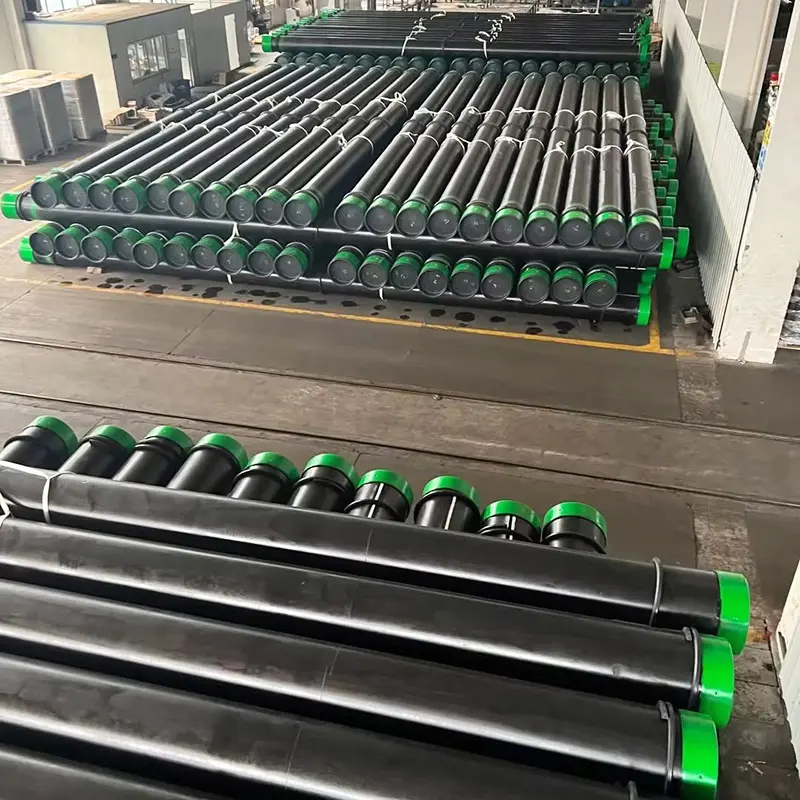
Steel pipes are commonly used for well casing due to their strength and durability. These pipes are known for their ability to withstand high pressure and external forces, making them ideal for deep wells and harsh environments. Steel pipes can be further classified into Carbon steel, Stainless steel, and alloy steel, each offering distinct advantages based on the specific requirements of the well.
Another popular choice for well casing is PVC (polyvinyl chloride) pipes. PVC pipes are lightweight, cost-effective, and resistant to corrosion, making them suitable for shallow wells and areas with low pressure. While PVC pipes may not have the same strength as steel pipes, they are easy to install and maintain, making them a practical option for certain well applications.
Fiberglass pipes are also utilized for well casing, particularly in corrosive environments where resistance to chemicals is essential. These pipes are lightweight, non-corrosive, and have a smooth interior surface that minimizes friction loss. Fiberglass pipes offer excellent chemical resistance and are often chosen for wells that handle aggressive fluids or gases.
In addition to steel, PVC, and fiberglass pipes, some wells may utilize concrete pipes for casing. Concrete pipes are known for their durability and ability to withstand heavy loads, making them suitable for large-Diameter wells or wells in unstable geological conditions. While concrete pipes may be more challenging to install compared to other materials, they provide excellent structural integrity and long-term reliability.
Each type of pipe used for well casing has its advantages and limitations, and the selection of the appropriate pipe depends on various factors such as well depth, pressure requirements, environmental conditions, and budget constraints. Engineers and well designers carefully evaluate these factors to choose the most suitable pipe Material that ensures the well’s optimal performance and longevity.
In conclusion, the type of pipe set up for well casing plays a critical role in the overall success of a well construction project. Whether steel, PVC, fiberglass, or concrete, each material offers unique properties that cater to specific well requirements. By understanding the characteristics of different pipe materials and their applications, well constructors can make informed decisions to ensure the efficiency, durability, and safety of the well casing system.
Importance of Proper Well Casing Materials
Well casing plays a crucial role in the construction and maintenance of wells, ensuring the integrity and efficiency of the entire system. The choice of materials for well casing is a critical decision that directly impacts the performance and longevity of the well. Proper well casing materials are essential for maintaining the structural integrity of the well, preventing contamination, and ensuring the efficient extraction of water or other fluids.
One of the most common materials used for well casing is steel. steel casing pipes are known for their durability, strength, and resistance to corrosion. These qualities make Steel casing pipes ideal for protecting the well from external elements and maintaining the structural integrity of the well over time. Steel casing pipes are also relatively easy to install and can withstand high pressures, making them suitable for a wide range of well depths and applications.
Another popular material for well casing is PVC (polyvinyl chloride). PVC casing pipes are lightweight, cost-effective, and easy to work with, making them a popular choice for shallow wells and residential applications. While PVC casing pipes may not offer the same level of durability as steel pipes, they are suitable for many well construction projects where corrosion is not a significant concern.
Fiberglass casing pipes are another option for well casing materials. Fiberglass pipes are lightweight, corrosion-resistant, and have a smooth interior surface that allows for efficient fluid flow. These pipes are particularly well-suited for wells that encounter corrosive fluids or environments where traditional materials may degrade quickly. Fiberglass casing pipes are also easy to transport and install, making them a convenient choice for many well construction projects.
In addition to the material itself, the design and installation of the casing are crucial factors in ensuring the long-term performance of the well. Proper installation techniques, including ensuring a secure fit and adequate sealing, are essential for preventing leaks and maintaining the integrity of the well casing. Regular inspections and maintenance of the casing are also important to identify any potential issues early and address them before they escalate into more significant problems.
Choosing the right well casing material is a decision that should be based on the specific requirements of the well, including depth, fluid composition, and environmental factors. By selecting the appropriate material and following best practices for installation and maintenance, well owners can ensure the longevity and efficiency of their wells. Proper well casing materials are a fundamental component of a well-designed and well-maintained system, providing protection, stability, and reliability for years to come.