

ما هو نوع الأنابيب التي تم إنشاؤها للاستخدام وكذلك الغلاف؟
أنابيب الغلاف الفولاذي: الخصائص والتطبيقات في بناء الآبار أنابيب تغليف PVC: المزايا والقيود في تطبيقات تغليف الآبار أنابيب تغليف الألياف الزجاجية: فوائد واعتبارات لتصميم غلاف الآبار يتم تصنيع أنابيب غلاف…
أنابيب الغلاف الفولاذي: الخصائص والتطبيقات في بناء الآبار
أنابيب تغليف PVC: المزايا والقيود في تطبيقات تغليف الآبار
أنابيب تغليف الألياف الزجاجية: فوائد واعتبارات لتصميم غلاف الآبار
يتم تصنيع أنابيب غلاف الألياف الزجاجية من البلاستيك المقوى، حيث تجمع بين خيوط الألياف الزجاجية والراتنج لتشكيل مادة مركبة قوية. تضفي هذه التركيبة على الأنابيب قوة استثنائية ومقاومة للتآكل، مما يجعلها مناسبة بشكل خاص لظروف البئر الصعبة حيث قد تتعثر الأنابيب المعدنية التقليدية.
تكمن إحدى المزايا الأساسية لأنابيب التغليف المصنوعة من الألياف الزجاجية في مقاومتها للتآكل. على عكس الأنابيب المعدنية، التي يمكن أن تتدهور بمرور الوقت بسبب التفاعلات الكيميائية مع الماء أو مكونات التربة، فإن أنابيب الألياف الزجاجية خاملة لمعظم العوامل المسببة للتآكل. تعمل هذه الخاصية على إطالة العمر التشغيلي للغلاف، مما يقلل من تكاليف الصيانة ويعزز الموثوقية في كل من بيئات المياه العذبة والمالحة.
علاوة على ذلك، توفر أنابيب الغلاف المصنوعة من الألياف الزجاجية خصائص ميكانيكية فائقة دون المساس بالمرونة. يمكنها تحمل الضغوط العالية والأحمال الخارجية مع الحفاظ على السلامة الهيكلية. هذه الميزة مفيدة بشكل خاص في الآبار المعرضة لضغوط متغيرة أو حيث تشكل الظروف تحت السطح تحديات ميكانيكية.
فيما يتعلق بالتركيب والتعامل، تتميز أنابيب الألياف الزجاجية بخفة الوزن مقارنة بنظيراتها المعدنية، مما يسهل النقل والقدرة على المناورة في الموقع. تقلل هذه الطبيعة خفيفة الوزن أيضًا من المعدات المطلوبة للتركيب، مما قد يؤدي إلى خفض تكاليف المشروع الإجمالية والجداول الزمنية.
علاوة على ذلك، تتميز الأنابيب المصنوعة من الألياف الزجاجية بثبات حراري، وتحافظ على أدائها عبر نطاق واسع من درجات الحرارة دون تشوه أو فقدان القوة الميكانيكية. هذه المرونة الحرارية تجعلها مناسبة للآبار في مناخات ومناطق جغرافية متنوعة، من الصحاري القاحلة إلى المناطق القطبية.
على الرغم من هذه المزايا، تمثل أنابيب التغليف المصنوعة من الألياف الزجاجية أيضًا اعتبارات تستحق الاهتمام في تصميم غلاف الآبار. على سبيل المثال، على الرغم من أنها شديدة المقاومة للتآكل، إلا أن تعرضها لبعض المواد الكيميائية أو المذيبات يتطلب اختيارًا دقيقًا للمواد بناءً على ظروف البئر المحددة. يعد اختبار التوافق مع البيئة المقصودة أمرًا بالغ الأهمية لضمان الموثوقية على المدى الطويل.
بالإضافة إلى ذلك، قد تكون التكلفة الأولية لأنابيب غلاف الألياف الزجاجية أعلى من تكلفة المواد التقليدية. ومع ذلك، غالبًا ما يتم تعويض هذه التكلفة من خلال توفير تكاليف الصيانة والاستبدال وتوقف التشغيل على مدار دورة حياة البئر.
يجب على مهندسي التصميم ومشغلي الآبار أيضًا مراعاة معايير التصميم واللوائح المطبقة على أنابيب غلاف الألياف الزجاجية في منطقتهم. يضمن الالتزام بهذه المعايير الامتثال لبروتوكولات السلامة والأداء الأمثل في الإعدادات التشغيلية.
في الختام، توفر أنابيب التغليف المصنوعة من الألياف الزجاجية خيارًا مقنعًا لتصميم غلاف البئر نظرًا لمقاومتها للتآكل، وقوتها الميكانيكية، وثباتها الحراري. وتساهم هذه الأنابيب في إطالة عمر الأصول، وتقليل جهود الصيانة، وتعزيز الكفاءة التشغيلية في بيئات الآبار المختلفة. ومع ذلك، فإن التقييم الدقيق للتوافق الكيميائي، وآثار التكلفة، والمتطلبات التنظيمية أمر ضروري عند دمج أنابيب الألياف الزجاجية في تصميمات أغلفة الآبار. من خلال الاستفادة من خصائصها الفريدة بشكل فعال، يمكن لأنابيب غلاف الألياف الزجاجية أن تعزز بشكل كبير موثوقية واستدامة عمليات الآبار عبر التطبيقات المتنوعة والإعدادات الجغرافية.
In the realm of well casing applications, the choice of piping Material plays a crucial role in ensuring the integrity and longevity of the well structure. Among the various options available, PVC (Polyvinyl Chloride) casing pipes stand out for their unique blend of advantages and limitations.
PVC casing pipes are widely favored in well casing primarily due to their durability and cost-effectiveness. This thermoplastic material offers excellent resistance to corrosion, making it particularly suitable for use in diverse environmental conditions. Whether in acidic soils or areas with high salinity, PVC casing pipes maintain their structural integrity over extended periods. This characteristic is especially beneficial in ensuring the longevity of wells, reducing Maintenance costs, and minimizing the risk of contamination from external elements.
Moreover, PVC casing pipes are lightweight, facilitating easier handling and installation compared to metallic alternatives such as Steel casing pipes. This aspect not only enhances operational efficiency but also reduces labor costs associated with transportation and deployment. The ease of installation translates into quicker completion times for well projects, which is a significant advantage in both industrial and agricultural settings where time is often of the essence.
In addition to their Corrosion resistance and ease of installation, PVC casing pipes offer a smooth internal surface that promotes efficient fluid flow within the well. This smoothness minimizes friction losses and ensures that pumping operations remain efficient throughout the well’s operational life. Furthermore, PVC pipes exhibit good hydraulic characteristics, contributing to improved well performance and reliability.
Despite these advantages, PVC casing pipes do have certain limitations that merit consideration in their application. One significant concern is their relatively lower tensile strength compared to metals like steel. While PVC pipes are robust under normal operating conditions, they may be susceptible to physical damage during installation or in areas prone to mechanical stresses. Careful handling and adherence to recommended installation practices are crucial to mitigate these risks and ensure the pipes’ longevity.
Another consideration is the temperature sensitivity of PVC pipes. Although they perform well in moderate temperature environments, exposure to extreme heat can lead to deformation or weakening of the material. As such, PVC casing pipes may not be suitable for wells that encounter consistently high temperatures or are exposed to direct sunlight for prolonged periods without adequate UV protection.
Furthermore, PVC casing pipes may not be suitable for all types of wells, particularly those that require very high pressure ratings or are subject to abrasive conditions. In such cases, alternative materials like steel or composite pipes may be more appropriate to withstand the specific demands of the well environment.
In conclusion, PVC casing pipes represent a compelling choice for well casing applications, offering significant advantages in terms of corrosion resistance, ease of installation, and hydraulic efficiency. However, prospective users must carefully evaluate their specific well conditions and operational requirements to determine whether PVC pipes align with their needs. By weighing the benefits and limitations thoughtfully, stakeholders can make informed decisions that optimize the performance and longevity of their well systems. Ultimately, the suitability of PVC casing pipes hinges on striking a balance between cost-effectiveness, durability, and compatibility with the operational demands of the well.
Fiberglass Casing Pipes: Benefits and Considerations for Well Casing Design
In the realm of well casing design, selecting the right type of Pipe is crucial for ensuring durability, efficiency, and longevity. Among the various materials available, fiberglass casing pipes have gained significant attention for their unique properties and benefits in demanding well environments.
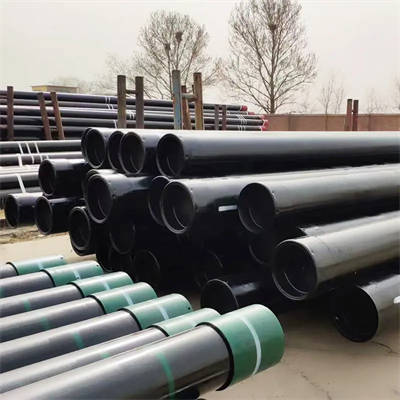
Fiberglass casing pipes are crafted from reinforced plastics, combining fiberglass strands with resin to form a robust composite material. This composition imbues the pipes with exceptional strength and resistance to corrosion, making them particularly suitable for challenging well conditions where traditional metal pipes may falter.
One of the primary advantages of fiberglass casing pipes lies in their corrosion resistance. Unlike metal pipes, which can deteriorate over time due to chemical reactions with water or soil constituents, fiberglass pipes are inert to most corrosive agents. This characteristic extends the operational lifespan of the casing, reducing maintenance costs and enhancing reliability in both freshwater and saline environments.
Moreover, fiberglass casing pipes offer superior mechanical properties without compromising on flexibility. They can withstand high pressures and external loads while maintaining structural integrity. This feature is especially beneficial in wells subjected to variable pressures or where subsurface conditions pose mechanical challenges.
In terms of installation and handling, fiberglass pipes are lightweight compared to their metal counterparts, facilitating easier transportation and onsite maneuverability. This lightweight nature also reduces the equipment required for installation, potentially lowering overall project costs and timelines.
Furthermore, fiberglass casing pipes exhibit thermal stability, maintaining their performance across a wide range of temperatures without deformation or loss of mechanical strength. This thermal resilience makes them suitable for wells in diverse climates and geographies, from arid deserts to polar regions.
Despite these advantages, fiberglass casing pipes also present considerations that warrant attention in well casing design. For instance, while they are highly resistant to corrosion, their vulnerability to certain chemicals or solvents requires careful material selection based on specific well conditions. Compatibility testing with the intended environment is crucial to ensure long-term reliability.
Additionally, the initial cost of fiberglass casing pipes may be higher than that of conventional materials. However, this cost is often offset by savings in maintenance, replacement, and operational downtime over the lifecycle of the well.
Design engineers and well operators must also consider the design standards and regulations applicable to fiberglass casing pipes in their region. Adhering to these standards ensures compliance with safety protocols and optimal performance in operational settings.
In conclusion, fiberglass casing pipes offer a compelling choice for well casing design due to their corrosion resistance, mechanical strength, and thermal stability. These pipes contribute to prolonged asset life, reduced maintenance efforts, and enhanced operational efficiency in various well environments. However, careful assessment of chemical compatibility, cost implications, and regulatory requirements is essential when integrating fiberglass pipes into well casing designs. By leveraging their unique properties effectively, fiberglass casing pipes can significantly enhance the reliability and sustainability of well operations across diverse applications and geographical settings.