

Which kind of pipe is created for employment as well casing?
steel casing pipes: Properties and Applications in Well Construction Steel casing Pipes: Properties and Applications in Well Construction Steel casing pipes play a crucial role in the construction and integrity…
steel casing pipes: Properties and Applications in Well Construction
Steel casing Pipes: Properties and Applications in Well Construction
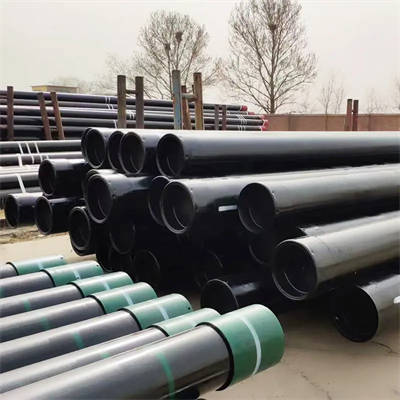
Steel casing pipes play a crucial role in the construction and integrity of wells across various industries, from oil and Gas extraction to water wells and geothermal projects. Designed specifically for well casing, these pipes are engineered to withstand the demanding conditions encountered deep underground.
One of the primary reasons steel is chosen for casing pipes is its exceptional strength and durability. Steel casing pipes are typically made from Carbon steel or alloy steel, which provide high tensile strength and resistance to external pressures and corrosion. This durability ensures that the well casing can withstand the Weight of the earth around it, maintain its structural integrity under varying pressures, and resist degradation from exposure to water, chemicals, and natural elements over time.
In addition to strength, steel casing pipes offer versatility in terms of size and thickness. They are available in various diameters and wall thicknesses, allowing engineers to select the appropriate specifications based on the specific requirements of the well. This flexibility is crucial for accommodating different well designs and depths, ensuring a precise fit that enhances the efficiency and safety of the well construction process.
Furthermore, steel casing pipes are designed to facilitate efficient well completion and production operations. Their smooth internal surface reduces friction during the insertion of pumps, screens, and other downhole equipment, which is essential for optimizing flow rates and minimizing operational costs. This smoothness also helps prevent blockages and sediment accumulation inside the casing, maintaining the well’s performance and longevity.
Beyond their mechanical properties, steel casing pipes are favored for their compatibility with various well construction techniques. Whether used in conventional vertical wells or complex horizontal drilling applications, steel casing pipes can be installed using different methods such as Cementing, gravel packing, or casing perforation, depending on the geological and operational requirements of the well.
Moreover, steel casing pipes are engineered to meet stringent industry standards and regulatory requirements. Manufacturers adhere to specifications that ensure the pipes’ performance and reliability in demanding environments. This adherence to standards, coupled with rigorous quality control measures during manufacturing, guarantees that each steel casing Pipe meets the necessary criteria for strength, Corrosion resistance, and dimensional accuracy.
oil pipe corrosion protectionIn practical terms, the application of steel casing pipes extends across a wide range of well construction projects. In oil and gas exploration, these pipes are indispensable for protecting the wellbore and preventing groundwater contamination while providing structural support for the drilling process. In water wells and geothermal installations, steel casing pipes ensure the efficient extraction and management of water or heat from underground reservoirs, contributing to sustainable resource utilization.
Overall, the choice of steel casing pipes for well construction is driven by their superior mechanical properties, durability, and compatibility with diverse drilling techniques. Their ability to withstand extreme conditions, maintain hydraulic efficiency, and meet regulatory standards makes them an essential component in ensuring the integrity and longevity of wells across various industrial sectors.
In conclusion, steel casing pipes represent a critical investment in the infrastructure of wells, combining robust engineering with practical functionality to support reliable and efficient operations deep beneath the Earth’s surface. As technology advances and global energy demands evolve, the role of steel casing pipes in sustainable resource development and environmental stewardship continues to grow, reinforcing their importance in modern well construction practices.
PVC Casing Pipes: Advantages and Limitations in Well Casing Applications
In the realm of well casing applications, the choice of piping Material plays a crucial role in ensuring the integrity and longevity of the well structure. Among the various options available, PVC (Polyvinyl Chloride) casing pipes stand out for their unique blend of advantages and limitations.
PVC casing pipes are widely favored in well casing primarily due to their durability and cost-effectiveness. This thermoplastic material offers excellent resistance to corrosion, making it particularly suitable for use in diverse environmental conditions. Whether in acidic soils or areas with high salinity, PVC casing pipes maintain their structural integrity over extended periods. This characteristic is especially beneficial in ensuring the longevity of wells, reducing Maintenance costs, and minimizing the risk of contamination from external elements.
Moreover, PVC casing pipes are lightweight, facilitating easier handling and installation compared to metallic alternatives such as steel casing pipes. This aspect not only enhances operational efficiency but also reduces labor costs associated with transportation and deployment. The ease of installation translates into quicker completion times for well projects, which is a significant advantage in both industrial and agricultural settings where time is often of the essence.
In addition to their corrosion resistance and ease of installation, PVC casing pipes offer a smooth internal surface that promotes efficient fluid flow within the well. This smoothness minimizes friction losses and ensures that pumping operations remain efficient throughout the well’s operational life. Furthermore, PVC pipes exhibit good hydraulic characteristics, contributing to improved well performance and reliability.
Despite these advantages, PVC casing pipes do have certain limitations that merit consideration in their application. One significant concern is their relatively lower tensile strength compared to metals like steel. While PVC pipes are robust under normal operating conditions, they may be susceptible to physical damage during installation or in areas prone to mechanical stresses. Careful handling and adherence to recommended installation practices are crucial to mitigate these risks and ensure the pipes’ longevity.
Another consideration is the temperature sensitivity of PVC pipes. Although they perform well in moderate temperature environments, exposure to extreme heat can lead to deformation or weakening of the material. As such, PVC casing pipes may not be suitable for wells that encounter consistently high temperatures or are exposed to direct sunlight for prolonged periods without adequate UV protection.
Furthermore, PVC casing pipes may not be suitable for all types of wells, particularly those that require very high pressure ratings or are subject to abrasive conditions. In such cases, alternative materials like steel or composite pipes may be more appropriate to withstand the specific demands of the well environment.
In conclusion, PVC casing pipes represent a compelling choice for well casing applications, offering significant advantages in terms of corrosion resistance, ease of installation, and hydraulic efficiency. However, prospective users must carefully evaluate their specific well conditions and operational requirements to determine whether PVC pipes align with their needs. By weighing the benefits and limitations thoughtfully, stakeholders can make informed decisions that optimize the performance and longevity of their well systems. Ultimately, the suitability of PVC casing pipes hinges on striking a balance between cost-effectiveness, durability, and compatibility with the operational demands of the well.
Fiberglass Casing Pipes: Benefits and Considerations for Well Casing Design
In the realm of well casing design, selecting the right type of pipe is crucial for ensuring durability, efficiency, and longevity. Among the various materials available, fiberglass casing pipes have gained significant attention for their unique properties and benefits in demanding well environments.
Fiberglass casing pipes are crafted from reinforced plastics, combining fiberglass strands with resin to form a robust composite material. This composition imbues the pipes with exceptional strength and resistance to corrosion, making them particularly suitable for challenging well conditions where traditional metal pipes may falter.
One of the primary advantages of fiberglass casing pipes lies in their corrosion resistance. Unlike metal pipes, which can deteriorate over time due to chemical reactions with water or soil constituents, fiberglass pipes are inert to most corrosive agents. This characteristic extends the operational lifespan of the casing, reducing maintenance costs and enhancing reliability in both freshwater and saline environments.
Moreover, fiberglass casing pipes offer superior mechanical properties without compromising on flexibility. They can withstand high pressures and external loads while maintaining structural integrity. This feature is especially beneficial in wells subjected to variable pressures or where subsurface conditions pose mechanical challenges.
In terms of installation and handling, fiberglass pipes are lightweight compared to their metal counterparts, facilitating easier transportation and onsite maneuverability. This lightweight nature also reduces the equipment required for installation, potentially lowering overall project costs and timelines.
Furthermore, fiberglass casing pipes exhibit thermal stability, maintaining their performance across a wide range of temperatures without deformation or loss of mechanical strength. This thermal resilience makes them suitable for wells in diverse climates and geographies, from arid deserts to polar regions.
Despite these advantages, fiberglass casing pipes also present considerations that warrant attention in well casing design. For instance, while they are highly resistant to corrosion, their vulnerability to certain chemicals or solvents requires careful material selection based on specific well conditions. Compatibility testing with the intended environment is crucial to ensure long-term reliability.
Additionally, the initial cost of fiberglass casing pipes may be higher than that of conventional materials. However, this cost is often offset by savings in maintenance, replacement, and operational downtime over the lifecycle of the well.
Design engineers and well operators must also consider the design standards and regulations applicable to fiberglass casing pipes in their region. Adhering to these standards ensures compliance with safety protocols and optimal performance in operational settings.
In conclusion, fiberglass casing pipes offer a compelling choice for well casing design due to their corrosion resistance, mechanical strength, and thermal stability. These pipes contribute to prolonged asset life, reduced maintenance efforts, and enhanced operational efficiency in various well environments. However, careful assessment of chemical compatibility, cost implications, and regulatory requirements is essential when integrating fiberglass pipes into well casing designs. By leveraging their unique properties effectively, fiberglass casing pipes can significantly enhance the reliability and sustainability of well operations across diverse applications and geographical settings.